Siberian Husky Guide: Temperament, Exercise, Escaping, Shedding & What to Buy
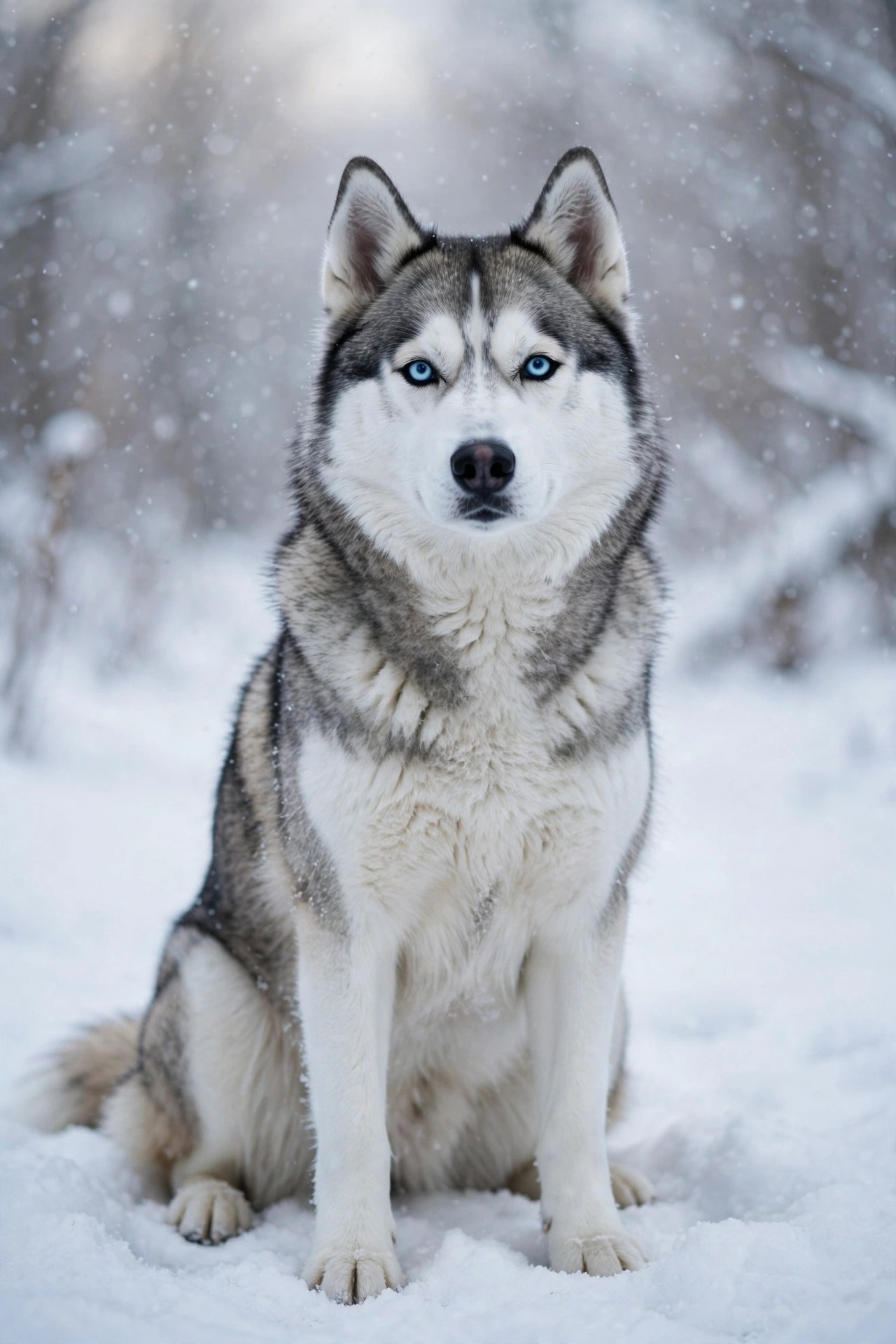
A Siberian Husky is a friendly, stubborn, high-energy dog bred to run for miles, and it will escape, dig, shed heavily, and “talk” if it is bored or under-exercised. It needs long daily exercise, a tall secure fence, and training. It is a poor guard dog, because it greets strangers like friends.
| Height | 20 to 24 in |
|---|---|
| Weight | 35 to 60 lb |
| Lifespan | 12 to 14 years |
| Coat | Thick double coat |
| Shedding | Heavy, with a huge seasonal shed twice a year |
| Energy | Very high. Bred to run for miles |
Breed-standard figures: AKC Siberian Husky breed page.
The Siberian Husky is one of the most beautiful dogs alive. It is also a real test of whether you are ready for a high-energy dog. This guide tells you what Husky owners wish they had known first: the running, the escaping, the shedding, the talking, and why people love them anyway.
On this page
Temperament: friendly, stubborn, dramatic
Huskies are friendly and outgoing, with people, with other dogs, and often with complete strangers. Do not get a Husky for guarding: yours will probably greet an intruder like an old friend.
They are also famously stubborn and famously vocal. Huskies howl, “talk,” and argue back. Owners either find this hilarious or exhausting. There is not much middle ground. They are intelligent, but their intelligence is independent: a Husky understands what you want and then decides whether it is worth doing.
They are pack dogs and hate being left alone for long hours. A lonely Husky is a loud, destructive Husky.
Exercise: this breed was built to run
Huskies were bred to pull sleds for miles in the snow. A walk around the block is a warm-up, not exercise. Plan on long daily exercise: running, hiking, bikejoring, canicross, or long active play, plus mental work like training and scent games.
In warm weather, exercise early or late in the day and watch for overheating. Huskies love the cold and struggle in the heat.
An under-exercised Husky will exercise itself: on your furniture, your garden, and your fence.
Escaping: the famous Husky hobby
Huskies are escape artists. They dig under fences, jump over them, and open gates and doors that other dogs never notice. If your garden fence is low or has gaps, a Husky will find them, usually on the first day.
- Fence: tall, solid, with no gaps at the bottom. Bury wire or paving along the base if your Husky digs.
- Supervision: do not leave a Husky alone in the garden for hours.
- Recall: train it early and keep training it. But never trust a Husky off-lead near a road. Their prey drive and love of running beat recall more often than owners expect.
- ID and microchip: keep them current. A Husky that gets out can cover a long distance fast.
Grooming and shedding
Huskies have a thick double coat and shed heavily. Twice a year they “blow” the undercoat, and the fur comes out in handfuls. The good news: the coat is surprisingly low-maintenance the rest of the time, and Huskies are famously clean dogs with little doggy smell.
- Brushing: a few times a week, daily during the big shed, with a de-shedding tool or rake.
- Bathing: rarely needed. Huskies keep themselves clean. Never shave the double coat.
- Nails: trim every few weeks.
Feeding
Feed a complete, good-quality food suited to a medium, very active breed, in measured meals. Huskies are efficient eaters. They often need less food than you would expect for their energy level. Follow the guide for age and weight, adjust with your vet, and keep fresh water available.
Training and recall
Start training early, keep sessions short and fun, and reward generously. Huskies get bored fast with repetition, so vary the exercises and train in different places. Recall is the hardest command with this breed. Train it for months, in safe enclosed areas, and never assume it is finished. A long line is your friend.
What to buy for a Husky
- A secure harness and a long line, for safe exercise while recall is a work in progress.
- A de-shedding rake, for the twice-yearly coat blow.
- A tall, secure fence (or the budget to fix yours). The most important Husky purchase of all.
- Durable chew toys and puzzle feeders. A bored Husky needs a job for its mouth and brain.
- A good vacuum. You already know why.
Related: German Shepherd Guide · Samoyed Guide · Ecuadorian Bulldog
General care information only. This guide covers everyday care, not veterinary advice. For anything about your dog’s health, talk to your vet. We never diagnose or treat.
Sources: AKC: Siberian Husky breed standard. Breed-standard height, weight and lifespan figures on this page come from the AKC.
FAQ
Are Huskies good apartment dogs?
Honestly: usually not. They need a lot of exercise, they are vocal, and they get bored fast in a small space. It can work with a very committed owner, but it is hard mode.
Do Huskies shed a lot?
Yes, heavily, with a huge seasonal shed twice a year when they blow their undercoat.
Can Huskies be trusted off-lead?
Most owners say no, or only in secure enclosed areas. Their running instinct and prey drive beat recall too often to risk it near roads.
Are Huskies good with kids?
Usually yes. Friendly and playful. Supervise with small children, as with any medium-large, high-energy dog.